The water stopped at 6:20 on a Saturday morning while I had shampoo in my eyes, and by 6:35 I was standing in my driveway in a bathrobe with three neighbors, all of us listening to a well pump house make a sound like a wrench in a blender. Dave from the end house said, "So who's paying for this?" and the silence that followed was eleven years of my homeownership compressed into a single awkward sound.
The stakes: four houses — mine, Dave's, the Beckers', and the rental unit at the corner — drew all their water from one shared well drilled in 1994 by people who are dead or moved away. No written agreement. No maintenance fund. No legal entity. Just a handshake among previous owners, honored faithfully by everyone since, right up til the exact moment honor ran out of water pressure. The pump quote, when it came: $9,000, installed, within the week, because four households were about to have no running water.
what the handshake actually said
We reconstructed it from memory and old emails. Everyone splits repairs equally. The Beckers water a garden that could supply a farmers market. The corner rental technically had six occupants, which someone argued meant heavier usage and a bigger share. Dave reckoned the pump guy his father used was still around. Nobody had put any of this on paper since 1994, cuz for thirty years the well just worked, and unmetered things that just working breed the illusion of free.
the month the split stopped being equal
The first $9,000, we split four ways without much drama — $2,250 each, written on a napkin I still have. It was the second invoice that broke us: $640 for a pressure tank that only serves the near side of the loop, and abruptly everyone was a hydrologist. The Beckers argued tank pressure was a routine benefit. Dave argued his shower had been weak since 2021 and he'd been subsidizing weak showers long enough. The corner rental's landlord — who I had never once met in person — replied to the email chain from a number with an out-of-state area code, suggesting we "invoice accordingly per occupancy." I read that sentence four times.
the lawyer who charged $500 to laugh gently
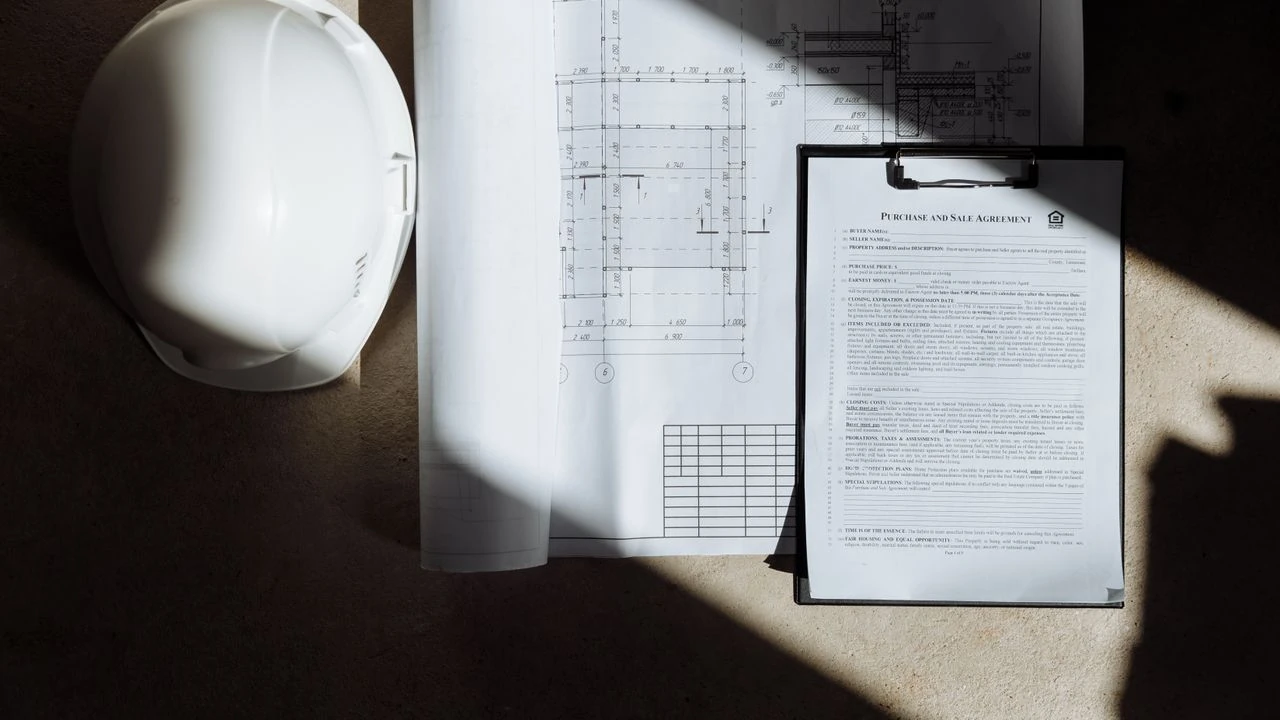
I paid an attorney $500 for a one-hour consult, expecting structure and receiving a diagnosis. A shared well with no recorded agreement is, legally, a polite anarchy — each house holds an easement to draw water, and nobody owes anybody maintenance beyond what custom established. He could draft a proper shared well agreement: cost allocation formula, a maintenance reserve fund, a metering clause, an enforcement mechanism, and the dreaded default provision. His quote for the drafting: $1,800, split four ways. Cheap, he said, compared to the litigation alternative, which he priced with a number that made the room, by which I mean my kitchen, go quiet.
the meter clause that saved the friendship
The breakthrough, of all things, was a $310 flow meter on the main line with sub-meters at each spur. Once everyone's actual usage was a number — mine 8,900 gallons a month, the Beckers 14,200 in summer, the rental wildly variable — the argument about fairness ended, cuz there was nothing left to argue. We adopted a split formula: 40 percent divided equally as a baseline for having a functioning well at all, 60 percent pro-rata by metered usage. The Beckers' summer garden now costs them something real, which they accepted with the grace of people who had privately known they'd been winning.
the reserve fund, and Dave's default moment
The agreement also created a $200-per-house-per-quarter reserve fund held in a high-yield savings account, currently sitting around $3,400, with two required signatures on withdrawals. Eighteen months in, the fund faced its first test: Dave lost his job in the spring and missed one quarterly contribution. The old handshake version of this story ends with resentment and a cold shoulder. The written version has a section for it — a 30-day cure period, interest at a modest rate, and no penalties beyond what the document says — and following a section is so much easier than following a grievance. Dave caught up in May. Nobody mentions it.
what it cost, all told, and what it bought
The full accounting: $9,000 pump, $640 tank, $310 metering, $1,800 legal drafting, plus hours of my life I stopped counting. Call it $11,750 across four households over two years — and the title's $9,000 month is the part everyone remembers, cuz that's when the absence of paper becomes a bill. What we snagged is boring and priceless: four houses that run on a document instead of a mood. The Becker's garden still thrives. Dave's shower is still weak, though now it's weak at a rate everyone has agreed to.
the napkin, framed
I kept the original napkin with the four-way split written in my handwriting next to Dave's coffee ring, and after the agreement was signed and recorded at the county, I framed it and hung it in my mudroom, next to the well permit. Guests ask about it. The story I tell is not about water. its about how thirty years of good faith turned out to be a balloon payment waiting for its due date — and how $450 a household in legal fees was the cheapest insurance four neighbors ever snagged.
The pump hums out there rn, at 6:45 in the morning, doing its job under a recorded agreement with a metering clause. I brush my teeth with well water and think, briefly, of the bathrobe. Some mornings I still hear the wrench in the blender. It just doesn't scare me anymore.