The offer was made at a folding table in the break room on a Thursday, over a vending machine sandwich, and it opened with the sentence every seller dreams of and dreads in equal measure: "What if I just paid you directly?" Marcus — eleven years at the company, ran the compliance team, the most detail-oriented person I knew professionally — couldn't get a mortgage. A short sale in 2015 had wrecked his qualification window, and the cabin sat on 3 wooded acres where no lender wanted to touch appraisal comps anyway. Price: $168,000. His down payment: $5,000.
The stakes: I was moving outta state in eight weeks for my wife's residency match. The cabin had been listed for 143 days with two offers that both collapsed at inspection. Carrying it across three state lines, vacant, thru another winter, was a real cost — taxes, insurance on an empty structure, the particular anxiety of a property that nobody loves from a distance. But seller financing meant becoming a bank. Banks have documents, servicing, and lawyers. I had a folding table and a coworker.
why a bank would have said no
The cabin was, by underwriting standards, unfinanceable. No comparable sales within five miles, a private well and septic, seasonal road access, and a borrower with a five-year-old short sale still shadowing his file. Every "no" Marcus collected made my property less sellable through the normal channel. Seller financing wasn't my clever invention. It was the only door left, and both of us knew it, which is exactly the kind of information asymmetry a folding table negotiation should not run on. So I got a lawyer anyways.
the $1,400 that made it a real loan
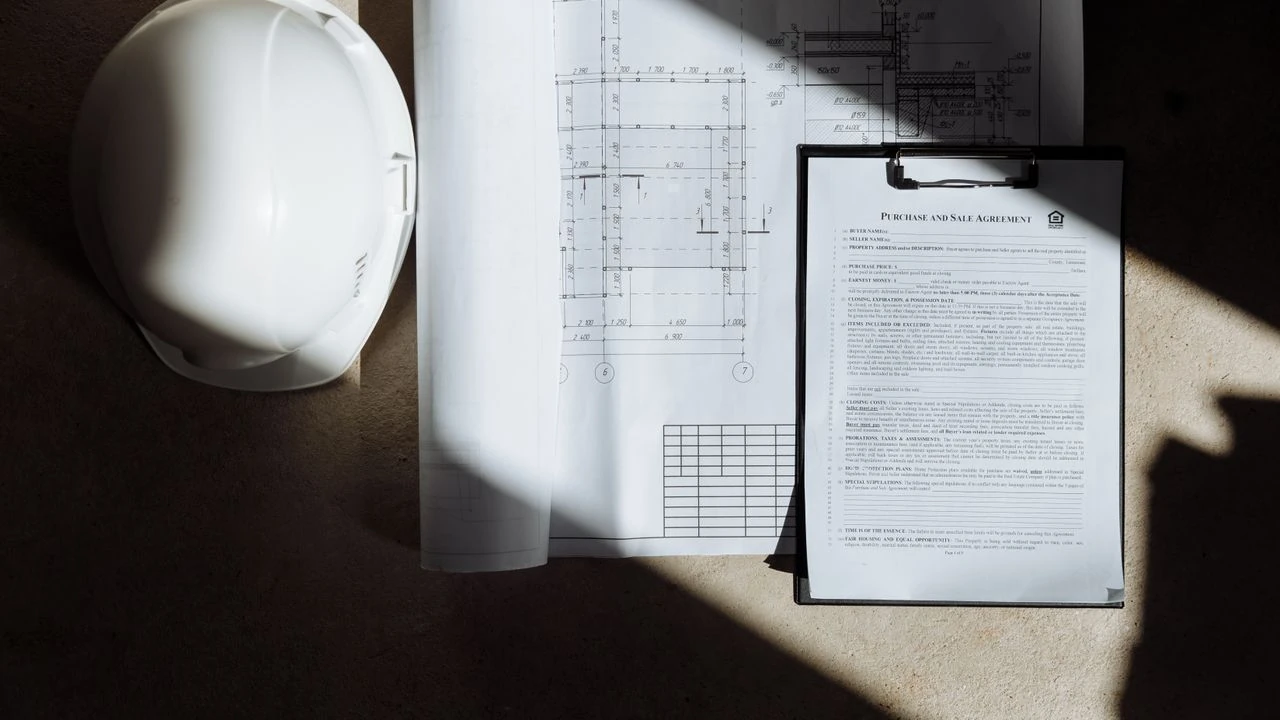
The promissory note and security instrument — the document that let's me foreclose if he stops paying, rather than sue him and fight over a handshake — cost $1,400 and two weeks. Terms we landed on: $5,000 down, $163,000 financed at 6.5 percent over five years, amortized monthly at about $3,190, with a balloon of the remaining balance at year five. The deed would transfer at closing; my lien would sit on the title until the note was paid. The lawyer's single most valuable sentence: "The document is for the version of Marcus that doesn't exist yet — the one who stops being your friend."
servicing, the part I almost skipped
I nearly handled payments thru Venmo. The lawyer talked me outta it with the enthusiasm of a man preventing a fire. We retained a third-party note servicer for $22 a month: they collect, apply, report interest for his taxes and mine, and issue the year-end statements. For the price of a lunch, I never hafta text a coworker the words "did the payment go through." When he refinanced with a bank two years in, the servicer produced the payoff statement in four days. Venmo could not have done that.
what the interest actually paid me
Lemme show you the math that justified the risk. $163,000 at 6.5 percent over the life of the loan generates approximately $27,000 in interest over five years, absent early payoff. My high-yield savings account was paying me a fraction of that on idle cash, and my index funds were doing fine but with monthly stomach weather. The note's effective return beat everything I owned that year. Payment number one arrived on the first of the month, eleven days after closing, with a photo of Marcus's kids on the cabin porch attached. I have never had that experience with a bond fund.
the year the friendship got expensive
Month 19 is when it got real. Marcus's division had layoffs, he survived but took a pay cut, and payment 19 arrived nine days late with no photo attached. I spent those nine days doing something I'm not proud of: rehearsing the foreclosure conversation in the shower. When I ultimately called, hed already left a voicemail explaining, which I hadn't listened to because I was too busy composing my own grievance. The servicer applied the late fee per the note, which was $85, and the schedule absorbed itself. But I absorbed the real price of owner financing: for five years, my net worth and a friendship shared a bank account.
the payoff at year two
It ended earlier than planned, which is the good ending. Marcus's credit score clawed back past 680, a regional credit union offered him a refinance at 6.125 percent, and he took it — cutting his payment, handing me a wire for $118,400, the balloon-equivalent payoff plus accrued interest, releasing my lien in one transaction. Total return on my capital: purchase price plus 27 months of interest at rates no savings account was touching. I invested the payoff the same week. The cabin photo from month one is still in my phone.
what I'd tell anyone holding a folding-table offer
Say yeah only with three things in place: a lawyer-drafted note secured by a recorded lien, a third-party servicer so money never has feelings attached to it, and a down payment sizable enough that the buyer walks away from more than a friendship if things sour — $5,000 on $168,000 was thin, and I knew it, and I'd want $15,000 next time. Owner financing is a legitimate tool for properties banks refuse and buyers banks reject. It is also a part-time job as a lender with your colleague's face on it.
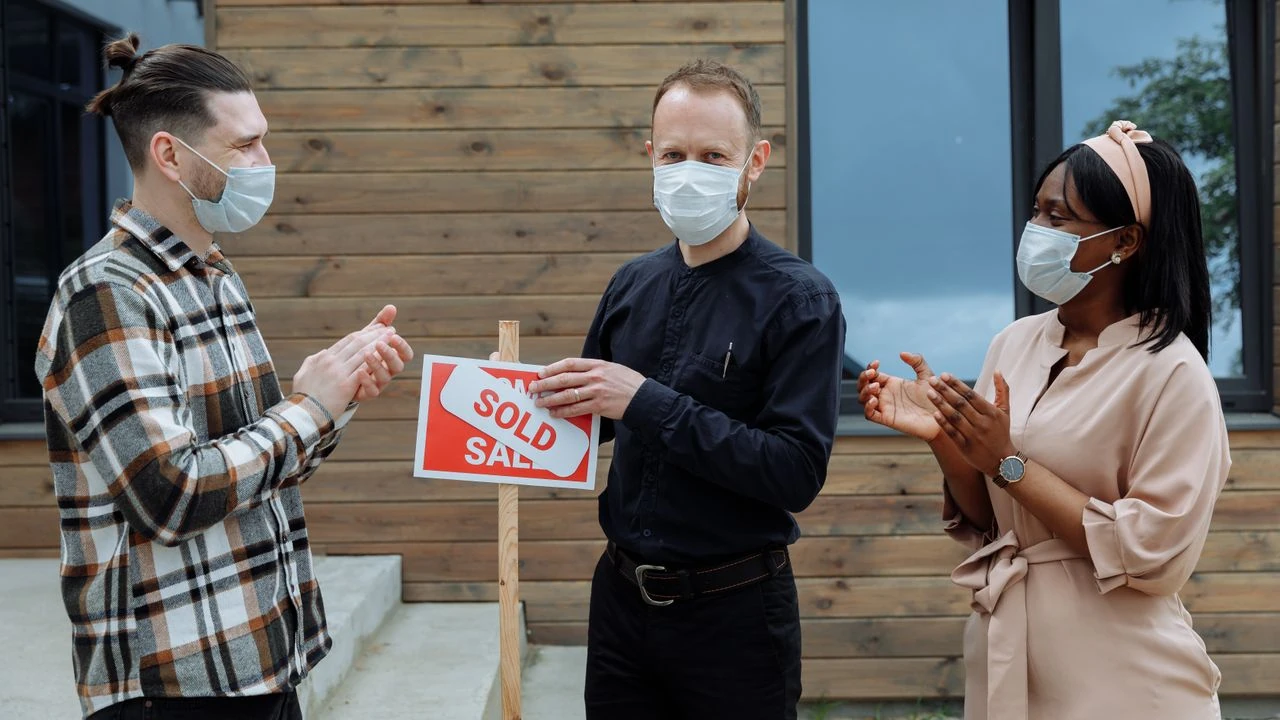
The cabin sold at the folding table for $168,000, and the promise that closed it was as good as its paperwork. The paperwork is what made it good.