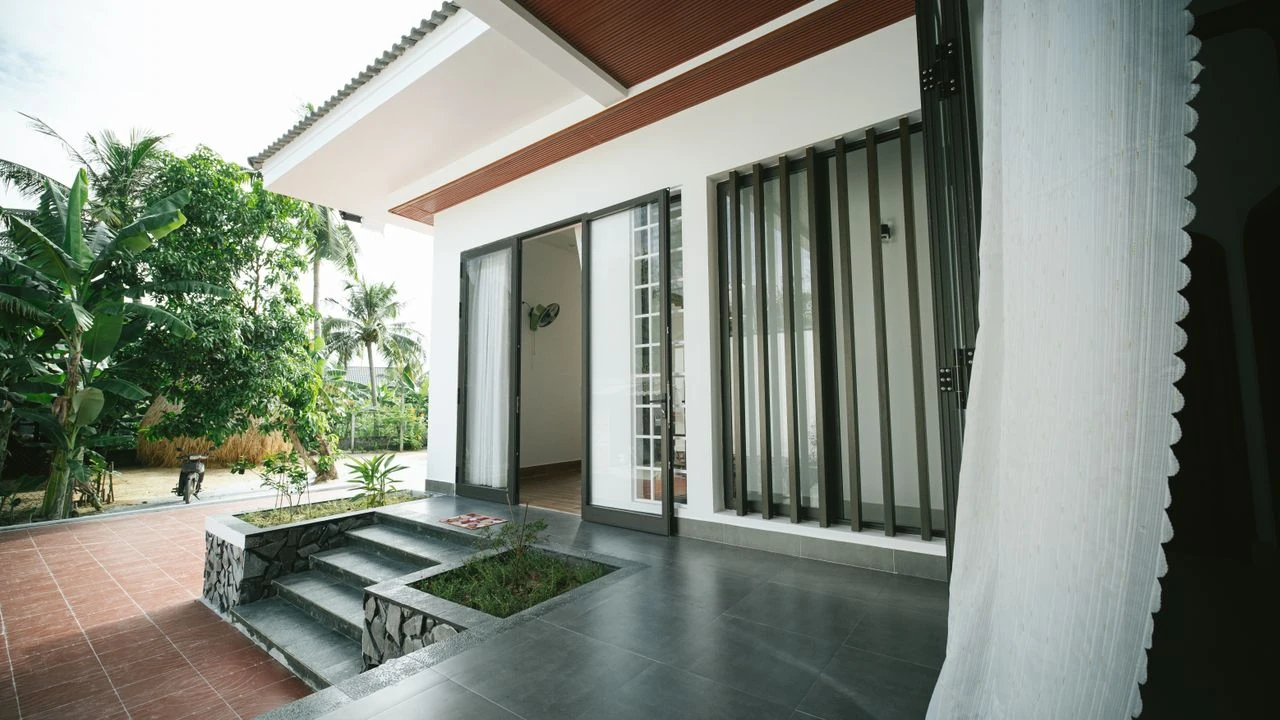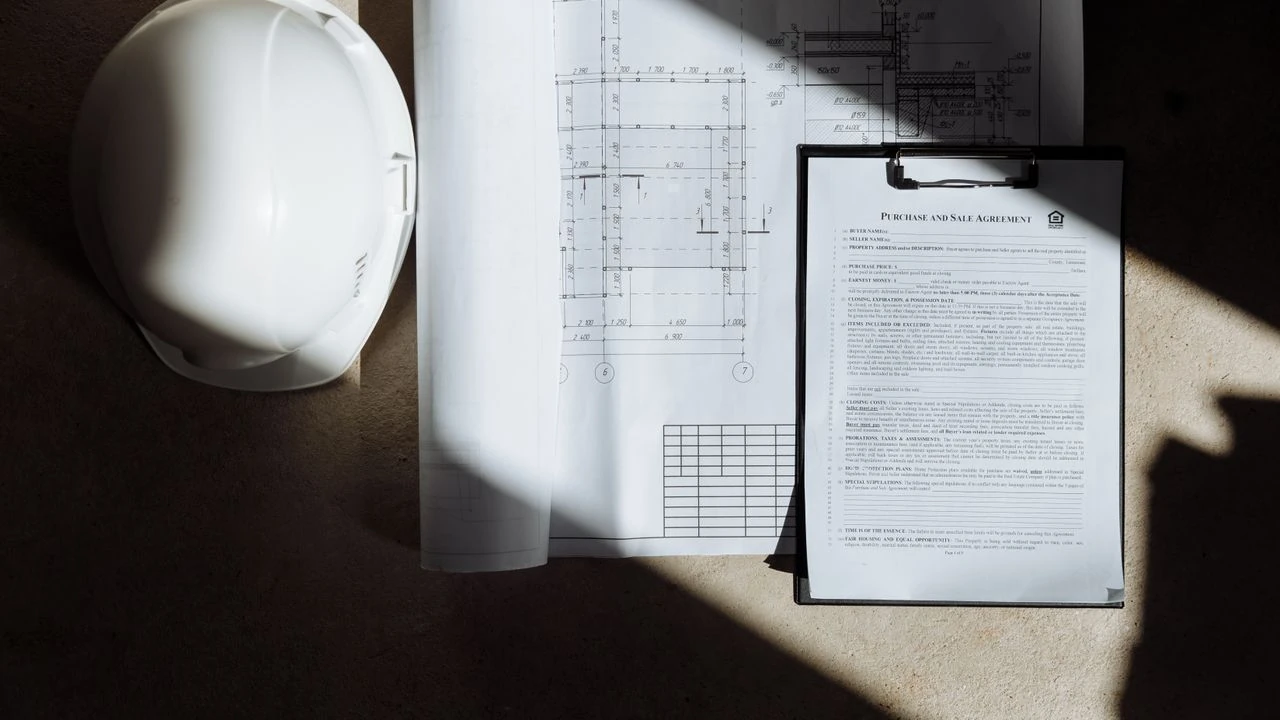
The city inspector stood in my hallway at 10:20 in the morning, holding a printout of his own database, and said the eight words that turned my tidy home sale into a scramble: "This permit's been open since June of 2019." Behind him was the bathroom I had remodeled seven years earlier — beautiful tile, new vanity, the exhaust fan I'd argued with my then-contractor about for a week. The work was done. The paperwork, it turned out, was never closed. The final inspection had simply never been requested.
The stakes were a closing 19 days out. My buyer was putting 5 percent down with a conventional loan, her lender had already flagged the open permit as a condition to clear, and her rate lock expired in 26 days. If the permit wasn't finaled, the lender could refuse to fund, and the deal I'd spent two months negotiating would dissolve into a new buyer search with my house now stamped, in every database that mattered, as the one with a problem.
how a permit stays open for seven years
The story was exactly as dumb as it sounds. In 2019 my contractor pulled the permit, did the work, got paid, and moved to Florida. I assumed "done" meant done. Nobody told me there was a final inspection step, and the city, it turns out, does not chase you for the privilege of closing your own file. The permit sat open thru two refinance cycles and one insurance renewal — none of which checked — until a title search for a sale ultimately looked. Some databases only get read when money is trying to leave.
the retroactive fee schedule, itemized
Here is where the title number comes in. Closing a permit on schedule in 2019 would have cost the original $1,900 in permit and inspection fees. The retroactive path, seven years later, ran on a different table entirely: a new application fee, a re-review fee, plan revision charges because the code had been updated twice since 2019, and a penalty calculated per year open. Total: $4,800. More than double, payable by me, because the seller is presumed responsible for the state of his own paperwork. I paid it at the counter with a card that declined once outta sheer embarrassment.
the GFCI rule that didn't exist in 2019
The fees were only half the invoice. The re-review meant the bathroom had to meet the 2024 code cycle, not the 2019 one, and the deltas were real: the receptacle needed GFCI protection with specific placement it didn't have, the exhaust fan needed a humidity-sensing switch, and the ventilation ducting had to terminate outside rather than — as my 2019 contractor had charmingly arranged — into the attic. My electrician quoted $1,150 for the fixes. The attic duct, alone, was $600 of it. Seven years of "done" was, in code terms, a rough draft.
the contractor roulette of week two
Finding someone to do a modest job fast, with an inspection riding on it, is its own genre of suffering. I called eleven electricians in four days. Six never answered. Three quoted timelines in October. Two said mayb. The one who came — a surfeit of tattoos and a calendar full of cancellations he was mercifully ditching for me — did the work in six hours on day 14. The inspector returned on day 16, ran his tests, said "finally" with a modest laugh, and closed a file that had been open longer than some marriages.
what the lender saw, and when
My agent uploaded the closed permit and final inspection certificate to the buyer's lender on day 17. The underwriter cleared the condition in 48 hours, the closing happened on day 21 — inside the lock window with five days to spare — and the rate my buyer had locked back in the spring survived intact. I will never know how close her payment came to drifting, and she will never know her bathroom ventilation duct usta exhale into my attic like a dragon in reverse.
the ledger, including the parts I refuse to regret
Full accounting: $4,800 in fees, $1,150 in code corrections, $350 in rush charges, and eleven days of my life spent talking about GFCI outlets at parties in my head. Total cost of a form I didn't file in 2019: about $6,300. Against that: the sale closed at $612,000, $23,000 over list, and the permit history is now spotless for whoever sells this house next. An open permit is a lien on someone else's future closing. I was only ever renting my own sloppiness.
the audit I now run every February
My city's permit portal let's homeowners pull their own property history in about four minutes. I check it every year now, the week of my birthday, and I've made my brother do it too — he snagged a flip in 2021 and, reader, the flipper had pulled zero permits for anything, which is a story he gets to tell someday. Paperwork has a half-life. It looks inert til the exact moment money needs to move, and then it detonates on the seller's side of the table.
The hallway where the inspector said it stands empty now, the new owners moved in last month. Somewhere in a city database, a file closed on a Tuesday in August after 2,548 days open. I know the day count because I looked it up twice, once in disbelief and once, later, for this.