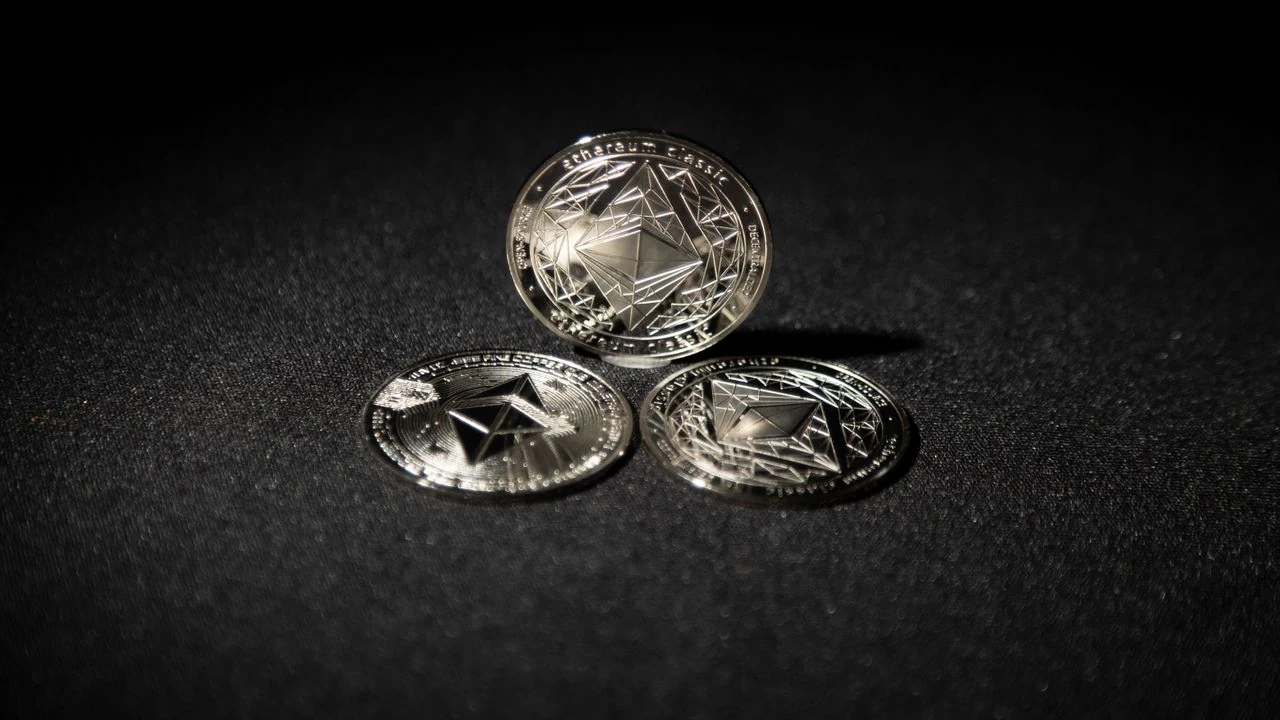
The buyer's message arrived at 9:40 PM on May 4, 2026: "Cash or crypto, your call, can come tomorrow with a mechanic." My Corolla had been listed for eleven days, and I'd said crypto in the ad mostly as a filter against time-wasters. Dev from Tacoma showed up May 5 with his mechanic, watched the Corolla pass inspection in twenty minutes, and asked which wallet I wanted the $6,500 in. I gave him an address off my phone. The transfer confirmed in three minutes, we signed the title on my hood, and he drove south. Total friction: zero. I figured that was the whole story.
payment confirmed on the hood
the dinner party misconception
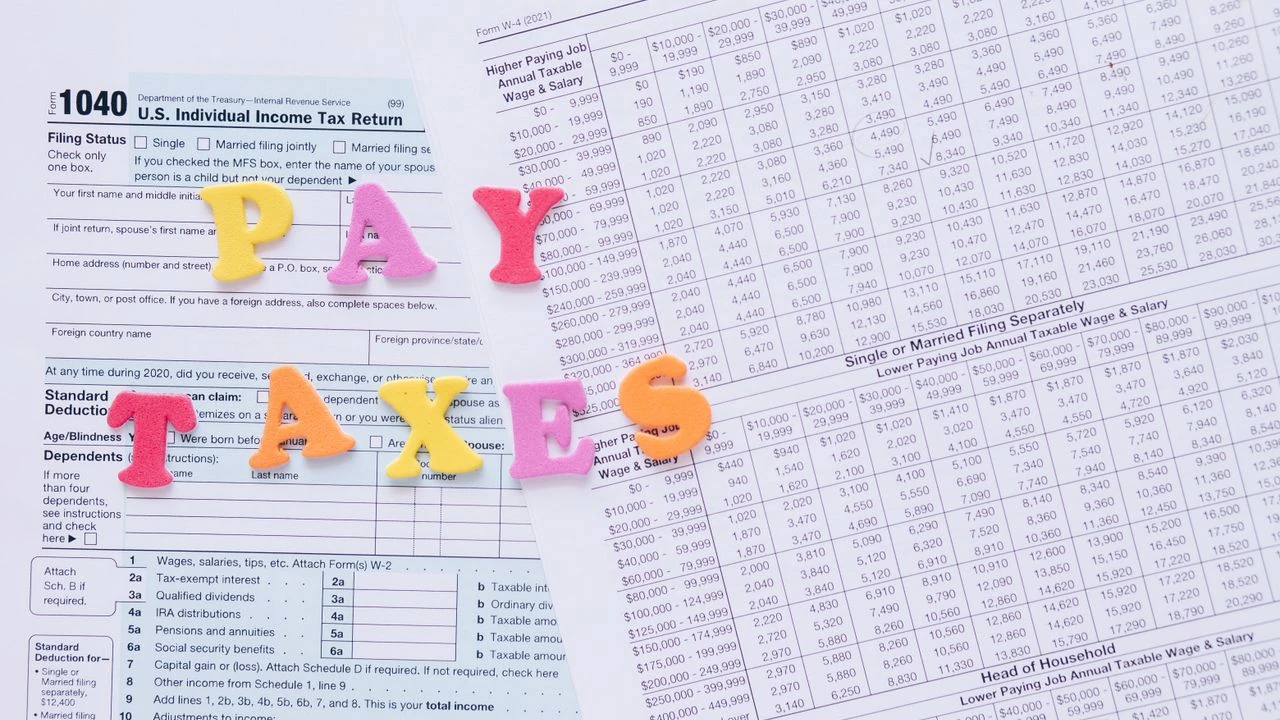
The misconception arrived about six weeks later, at a June 19 dinner party, when my friend Ravi said confidently that "person-to-person crypto sales under $10K aren't reported." Something in the way everyone nodded bothered me enough to actually check, and what I found rearranged my summer. The reporting question isn't about who paid or how. It's about me. I'd sold an asset for $6,500 that I'd snagged in 2019 for $9,800. that's a $3,300 capital loss, and I only get to claim it if I report the sale. Skipping the report doesn't hide anything. It just donates the loss to the government, which unlike Dev, never even said thanks.
The basis calculation was where I lost my first evening. $9,800 in 2019 dollars, minus a $412 repair in 2021 that my preparer ruled out as a capital improvement, plus a $180 title and registration fee at purchase that counted, minus nothing for the eight years of oil changes I'd hoped might count. Documented basis: $9,980, making my loss $3,480, which was better news than my napkin math. I reconstructed all of it from a shoebox of receipts during the second evening, which I spent at the kitchen table with my 2019 credit card statement and a feeling somewhere between archaeology and punishment.
the shoebox archaeology evening
two tax events stacked
I also had to figure out the receiving side, and this is the part I'd wave in front of every person who thinks P2P crypto is a reporting vacuum. The moment Dev's transfer hit my wallet, I was holding property with a fair market value of $6,500. When I converted it on May 7, in two chunks of $3,900 and $2,600, the price had moved $41 against me, so the sale-to-Corolla transaction was actually two tax events stacked: the car sale generating a $3,480 loss, and a 48-hour holding period generating a $41 gain on the crypto itself. My enrolled agent, Teresa again, $180, drew it as two separate lines and watched my face do the arithmetic. "You sold two things that day," she said. "A car and a currency position. The IRS agrees with both."
the maze with cameras
Did anything need reporting to anyone else? The question I'd feared turned out mostly hollow. No 1099 exists for Dev's transfer cuz no exchange or broker stood in the middle, and no, that doesn't make it invisible: the conversion on May 7 went thru a platform that will issue its own records at year-end, and Washington State, whatever its income tax quirks, doesn't change what the federal side requires. The famous "under $10K" threshold Ravi cited relates to Form 8300 cash reporting rules, which crypto was added to in 2024 for businesses receiving payments, and I am not a business, and my tax home is Washington, and every one of those sentences took me an evening of reading to be sure of. The vacuum people imagine is actually a maze with no walls but plenty of cameras.
what Ravi did with the story
Ravi, when I reported all this back to him in July, took it with more grace than he took dessert. He'd been sitting on a similar unreported sale from 2024, a laptop flip gone sideways, and my phone call sent him to the same enrolled agent the following week. His outcome was modest and dumber: $120 of unclaimed loss hed been sitting on out of pure inertia. We now share a spreadsheet called "things we were sure about," which has two rows and keeps growing. My husband calls it the most expensive dinner party conversation we've ever had, and Ravi has started fact-checking himself out loud before offering opinions, which has improved the parties considerably.
what Ravi did with the story
two evenings, $180, one lesson
Final accounting, prepared by August for the return I'll file next spring: $6,500 received, $3,480 capital loss claimed against other gains, $41 gain reported, $180 in agent fees, two evenings of shoebox archaeology, one Corolla at peace somewhere in Tacoma. Net emotional result: I'd do the crypto payment again, because three-minute settlement on a car sale is truly great, and Dev, for the record, was a pleasure to deal with. But I'd do the paperwork same-week instead of same-season, and I've stopped repeating confident tax claims at dinner parties, cuz Ravi's certainty cost me $180 and my certainty almost cost me $3,480.