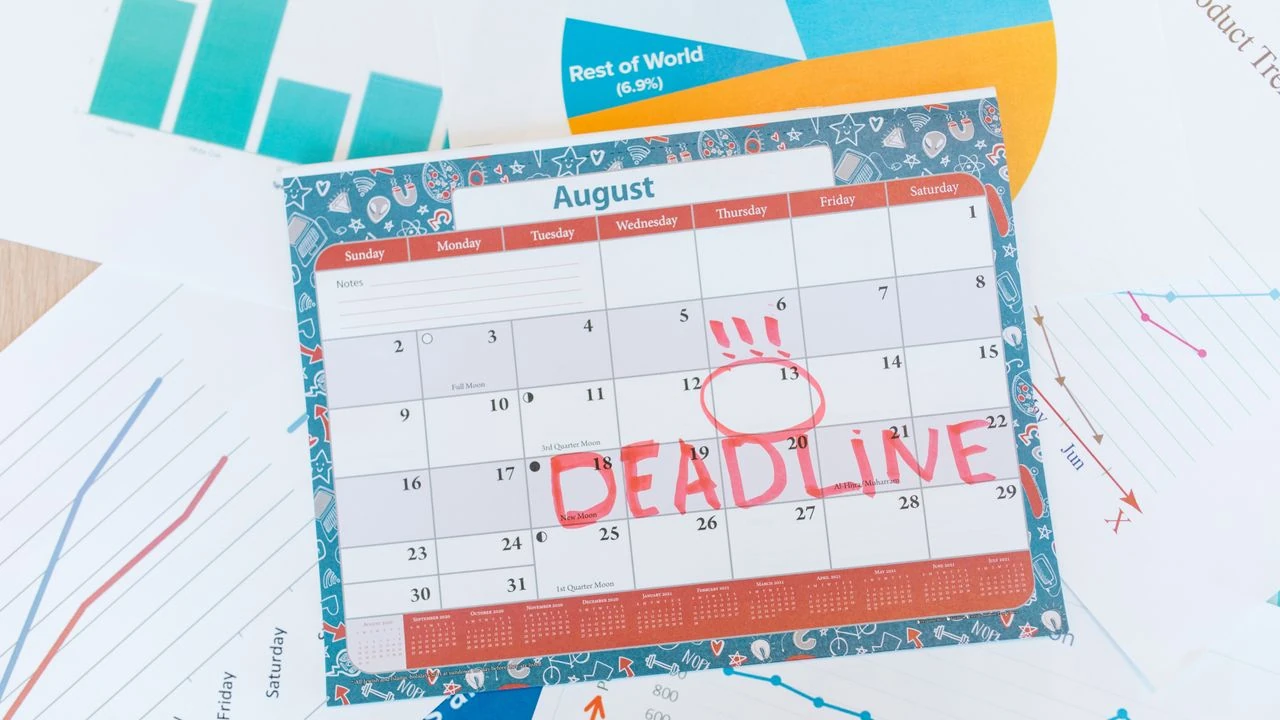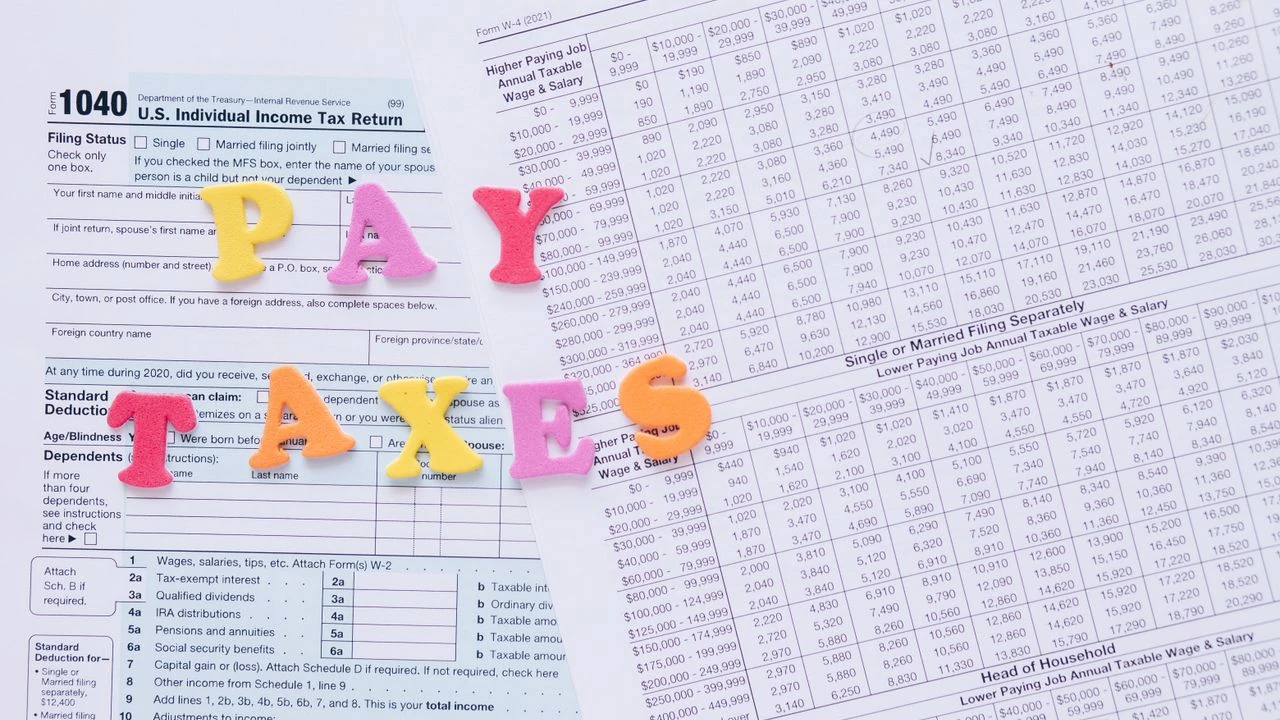
The letter came from the state Department of Revenue on March 6, 2026, and I remember the envelope cuz it was the thin, official kind that invariably ruins a Tuesday. Total disputed amount: $847. My crime, as far as I could reconstruct from the boilerplate: $900 of freelance web design income received in crypto during October 2025, reported on my federal return, invisible on my state estimated payments. The letter used the word "delinquency" twice. I made coffee and sat down for what became a six-week civics lesson.
the thin envelope that ruins Tuesdays
the gig that felt too small
Start with the gig itself, because it was modest enough to feel exempt from consequences. A neighbor's brother ran a plumbing outfit in Santa Rosa and needed a booking page. I quoted $900, he asked if I took crypto, and I said yeah with the enthusiasm of someone who'd read about it and never done it. The transfer landed October 12, 2025, I converted to dollars over two transactions on October 14 and October 15, and by October 16 I had $884.13 after conversion spread. Sixteen dollars of friction, I remembered thinking. A bargain. I was pricing the wrong thing.
The federal side went fine, which is what made the state letter so disorienting. The conversion on October 14 was $460, and here's the detail that makes accountants nod grimly: between receipt and conversion, the value moved $11 in my favor, so I had eleven dollars of capital gain to report on top of the $900 of ordinary income. My tax software caught it cuz I'd recorded the receipt value same-day, a habit from a podcast in 2024. The state side was different. My state requires quarterly estimated payments once you cross a threshold, and my crypto conversion in mid-October, plus a December check from another client, had pushed my 2025 estimated obligations past where my withholding covered. Payment in crypto hadn't dodged anything. It had just arrived thru a door I wasn't watching.
eleven dollars the software caught
Teresa's one-sentence reframe
The response letter took me four drafts and an hour with an enrolled agent named Teresa, who charged $180 and earned it. She reframed the whole thing in one sentence: "The state doesn't care that it was crypto. They care that $884 hit your bank account in October and your October estimate was light." I paid the $847 in two installments, the second on April 21, plus $63 in accumulated penalties and interest, filed form D-409 explaining the timing, and received a closing notice on May 2. Six weeks, $910 all-in, for a $900 job. The plumbing website cost me money in the end, and I've began telling that number to every new freelancer who asks me about taking crypto, cuz the sticker price of a payment method is never the number on the invoice.
The plumbing brother, for his part, remains oblivious and happy. He sent me a Christmas card with a cartoon wrench on it and referred two other tradesmen to me, both of whom I invoiced in plain dollars with 30% pre-set aside in my head before the invoices even went out. The second referral turned into a $1,400 kitchen-site booking page in February, paid by check, and even that felt different after March. I knew which quarter it belonged to before I cashed it. The gig economy doesn't need more payment options. It needs more people who know which quarter their money belongs to.
the client who never knew
the boring plumbing I built
I kept the gig, with new plumbing of my own. Every crypto payment now gets logged same-day with a timestamped value screenshot, converted within 48 hours, and 30% gets swept into a separate savings account before I touch the rest. The savings account earns a modest high-yield savings rate, around 4% in 2026, and its only job is to be boring til Teresa or her successor files my estimates. I also moved to paying quarterly estimates on the actual schedule, September 15, January 15, April 15, June 15, with phone alarms in three locations, cuz I've absorbed my memory is a co-conspirator in these stories.
what visibility costs
The opinion part, since you've read this far and deserve it: crypto as a payment method is fine, and crypto as a way to avoid tax paperwork is a fantasy that bills you later with interest. The $900 didn't change character cuz it arrived as digital currency. Ordinary income is ordinary income, conversion gains are capital gains, estimated payment rules apply to dollars regardless of their commute. What changes is visibility. Cash and crypto share a superpower, which is evaporating from your mental ledger the moment they land, and the state revenue department's letter is the anti-superpower. I used to think the risky part of freelancing was finding clients. The risky part, it turns out, is the forty minutes in April when a payment you forgot to plan for meets a quarter you forgot existed. The envelope was thin. The lesson weighed about nine hundred dollars.