The lockout screen appeared at 7:58 AM on March 3, 2026, while I stood in my kitchen holding a coffee I never finished. My exchange app had logged me out during a routine security update, my phone number had been cycled by my carrier during a SIM replacement in January, and the authenticator app lived on a phone I'd traded in during a Black Friday deal in 2024. Four years of digital life, and the door had three deadbolts and no key I still owned.
the coffee I never finished
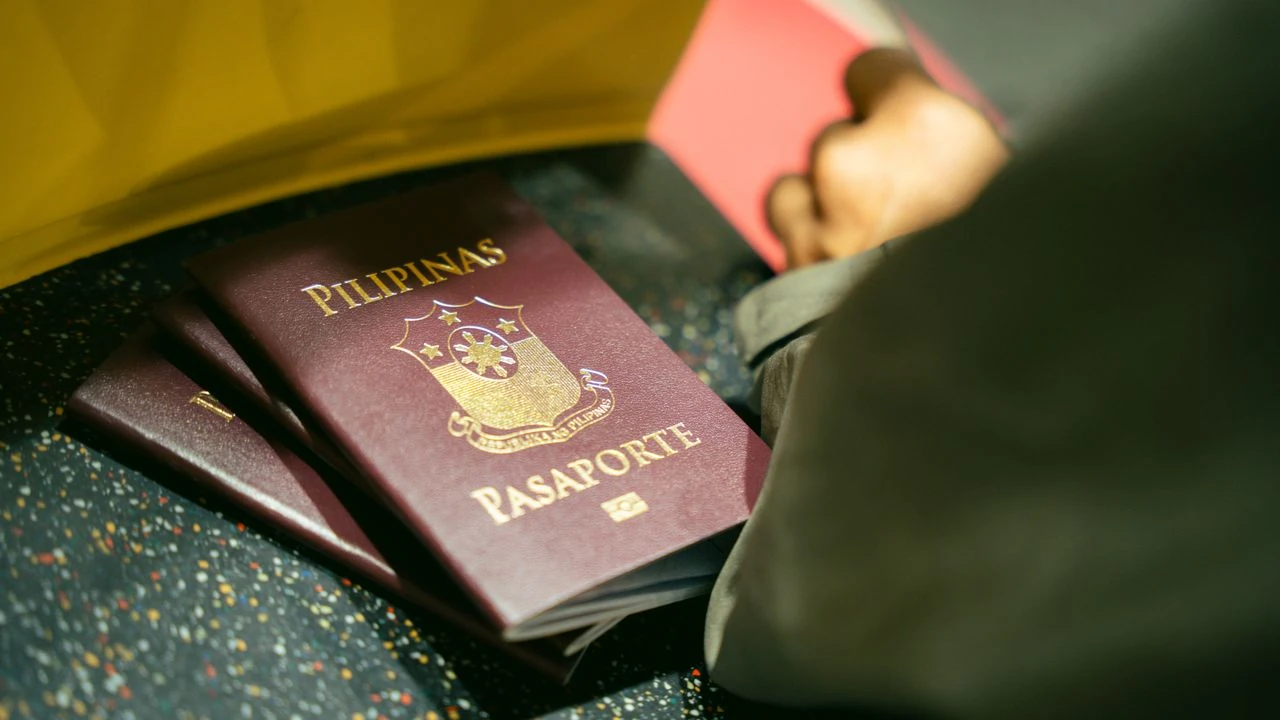
Here's what the lockout cost before anything worked: 23 days. Eleven support tickets. One video verification call where a man asked me to hold my passport next to my face at a specific angle while my laptop camera made me look like a witness protection candidate. Two escalations. And a slow, acidic realization that the company holding $8,900 of my money had no obligation to move at my speed, or honestly at any speed at all.
The tickets themselves were a study in polite futility. Ticket 8402117, opened March 4, got a template response in 36 hours asking for information I'd already attached. Ticket 8403955, opened March 9, was closed as "resolved" with no resolution inside. By March 15 I was drafting a complaint to the state financial regulator, which I still believe is the correct escalation for anyone stuck past two weeks. I never sent it. March 26 happened first.
eleven tickets and one witness protection pose
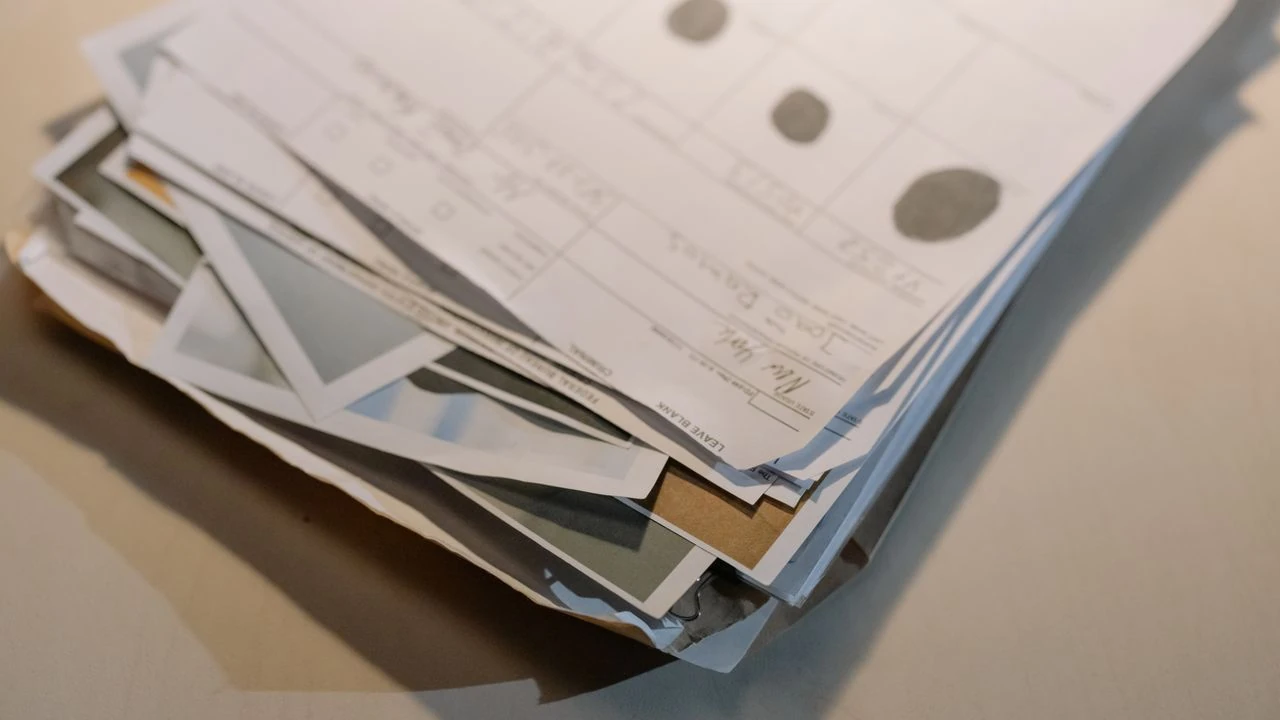
the folder marked old tax stuff
March 26 was the day I found the folder. In my home office, bottom drawer, inside a manila envelope labeled "OLD TAX STUFF 2021," sat five sheets of printer paper. Each held ten one-time-use two-factor backup codes, generated when I first enabled the authenticator in October 2021, printed cuz my husband once said "paper doesn't get traded in" and I'd rolled my eyes and done it anyway. Ninety seconds after typing the first unused code, I was inside my account. Four weeks of support versus one piece of 2021 office furniture.
The moment deserves more honesty than I gave it at the time. I didn't feel smart. I felt like someone who'd been saved by a past self I no longer resembled, a version of me that printed things. That Aisha of 2021 had no idea what she was doing, which is exactly why she was thorough. She enabled every recovery option because the interface told her to, generated the codes cuz a checklist told her to, printed em because a bored husband told her to. Five years of accumulated tech-savvy had quietly deleted every layer of redundancy she'd stacked.
saved by a stranger named 2021 me
the week of fixes
What I fixed in the week after: new backup codes generated and printed on April 2, two copies, one in the same drawer and one at my sister's house in Columbus. Authenticator reinstalled on my current phone with a photo of the setup key stored offline. Withdrawal address whitelist enabled, which I'd skipped in 2021 because it read paranoid. The irony writes itself. The paranoid checklist from 2021 was the only thing that worked, and my 2026 sophistication was the vulnerability.
the family archive in Columbus
My sister's part in this deserves its own line. She keeps her copy in a fire box with our grandmother's recipes, and when I mailed the envelope I wrote "open in emergency only" on it, and she texted back a photo of it filed between a cobbler recipe and a funeral program. Redundancy has never looked so much like a family archive. If the house burns, the codes burn with the cobbler, but the Columbus house is still standing nine miles from the fire station, which is more than my home office can claim.
the $560 I watched through glass
I also did the math on what the lockout nearly cost beyond inconvenience. Bitcoin moved from approximately $71,000 to $79,000 during my 23 frozen days, and I had a standing intention, never formalized, to trim a quarter of my position above $78,000. The intention was worthless because I couldn't act on it, and the exit I watched thru a locked door would have booked about $560 in gains. I'm not counting it as a loss since I didn't sell anyways, but the episode taught me that liquidity you can't access isn't liquidity, it's a number on a screen with feelings attached.
My husband has retired the "paper doesn't get traded in" line, mostly because I've promoted it to household law. Every account that matters in our house now has printed backup codes, dated, in two locations. He has accepted his role as the founding father of this doctrine with an annoying amount of grace. And I've taken to asking friends one question at dinner parties: if your phone fell in a lake tonight, how many accounts could you open by Friday? The answers are invariably confident and invariably wrong. Mine were, for twenty-three days in March, until a dead tree from 2021 stood up and did its job.