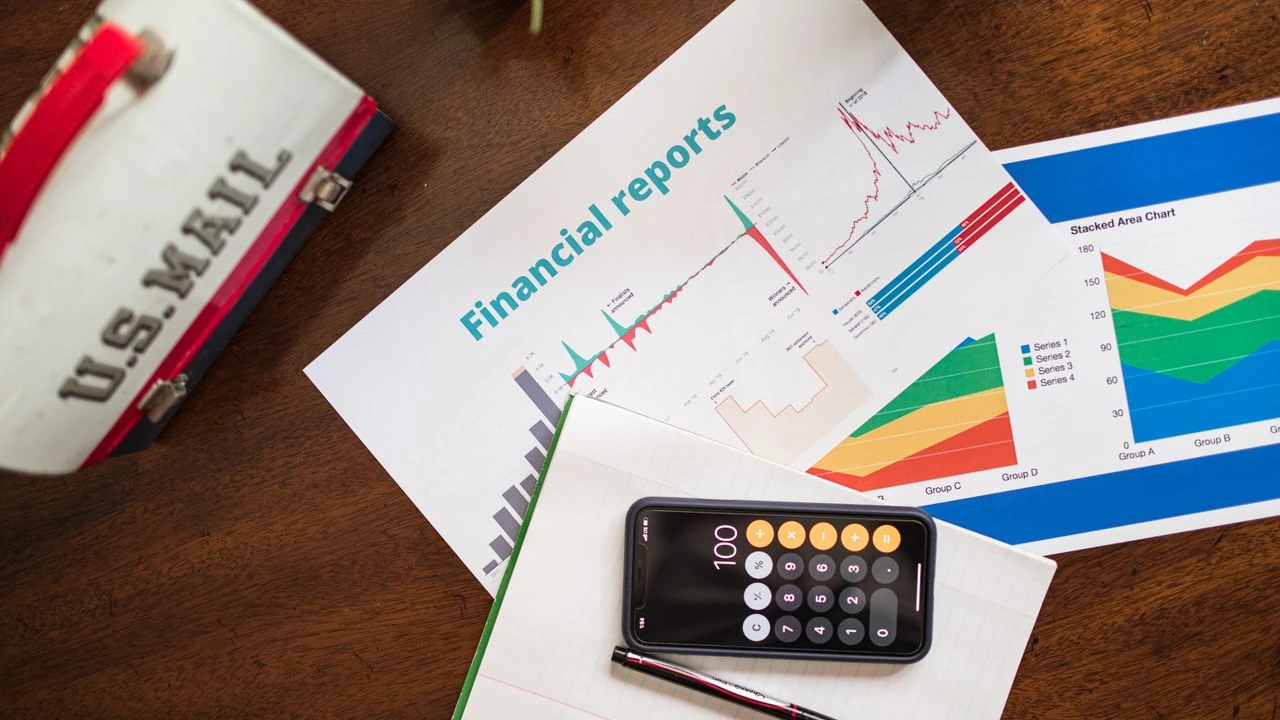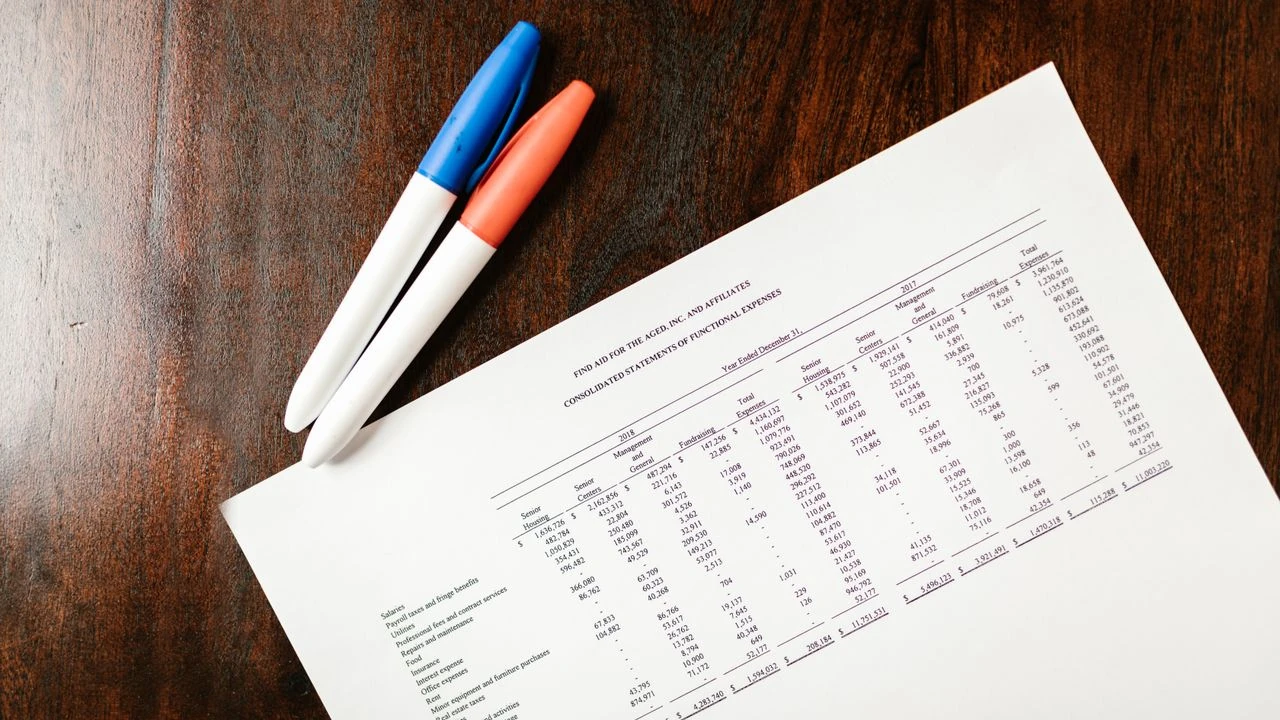
7:22 AM, February 3, my kitchen table, two statements printed on paper because screens make me skim and this was going to require reading. Coffee going cold next to a calculator I snagged in 1998. Left column: my municipal bond fund, yield 3.1 percent, federal tax exempt. Right column: a Treasury fund yielding 4.4 percent, fully taxable. Everyone at work kept telling me Treasuries win. The paper in front of me said they were doing the math wrong, and I had the receipts.
Stakes first, since this is real money, not a debate-club exercise. This was $100,000 of my bond allocation, the part of my portfolio that exists so I never have to sell stocks during a bad year. Choosing wrong between those two columns meant quietly donating hundreds of dollars a year, every year, forever, to a rounding error nobody would ever notice but me.
The twist: the Treasury crowd was right about everything except my tax bracket. Yield is not return. Yield minus tax is return. That's the whole argument, and it fits on a napkin, which is fitting cuz that's approximately where this feud with my brother-in-law was headed.
the napkin math, done slowly
The 4.4 percent Treasury yield, taxed at my 32 percent federal rate, keeps 4.4 times 0.68, which is 2.99 percent after tax. The muni's 3.1 percent never gets touched. Post-tax gap: about 0.11 percent. On $100,000, approximately $110 a year in the muni's favor. Now add state. Our state taxes interest but exempts in-state municipal bonds. The Treasury's after-tax yield dropped below 2.8 percent once state tax took its cut, and the gap widened past $300, drifting toward $612 once I checked the fund's actual distributions rather than its advertised yield.
advertised yield versus what the statements paid
This was the part that made me print things. The Treasury fund's 4.4 percent was a trailing figure. Its actual twelve-month distributions across my holding period averaged 4.31, then 4.18 as rates rolled down. The muni fund paid 3.04, then 3.09. Real dollars: the muni beat the Treasury by $547 the first year and $663 the second. Average, $612. Not the brochure numbers. The paid numbers.
the year Treasuries would have won
Honesty requires this section. Late in year one, Treasuries briefly yielded 5 percent during the rate spike. Had I snagged at that exact peak with my bracket and no state advantage, the after-tax yield would have edged out the muni by a hair. But I wasn't buying a two-week yield. I was holding a two-year comparison. Over the full stretch, municipals won both years. Timing the crossover is a market call, and I don't make market calls with my bond sleeve.
what nobody mentions about fund-level munis
Two wrinkles surfaced when I read the footnotes, all of them. First, some muni income can trigger alternative minimum tax on certain private-activity bonds, tho my fund's exposure was tiny, under 2 percent. Second, fund yields move with duration, and my fund's duration of 5.8 meant the price wobbles when rates move. The Treasury fund had the same wobble with a shorter fuse. Neither was a savings account. Both were bond funds. I stopped pretending otherwise.
where a high-yield savings account fit, and didn't
People kept asking why I didn't just use savings at 4.5 percent. Because that rate floats down the moment the Fed cuts, and it's state-taxed on top. I keep six months of expenses there. Bond money is different money with a different job. Mixing the two conversations is how people end up with all cash and no plan.
the footnotes that earned their keep
Both funds' footnotes told truer stories than their headlines. The Treasury fund had quietly shifted its average maturity shorter, which meant its advertised yield would follow rates down faster than history suggested. The muni fund's credit quality sat almost entirely in AAA and AA insured paper, no drama, no single issuer over 2 percent. Reading fifteen minutes of footnotes told me more than a year of financial television ever has.
the check I run before buying any bond fund now
Tax-equivalent yield: take the muni yield, divide by one minus your tax rate. My 3.1 percent divided by 0.68 equals 4.56 percent. Any taxable bond needs to clear 4.56 to compete with me, before state. Run that one division before every bond purchase and you'll stop losing arguments at family dinners, or winning them, depending on your side of the table. It also flips automatically when your bracket does. Retire, drop to the 22 percent rate, and the same treasury might truly win. The rule isn't loyal to munis. its loyal to arithmetic.
My brother-in-law still sends me Treasury yield screenshots, typically on Sunday mornings, invariably without the tax line filled in. I've stopped replying with words. Last Christmas I wrapped a printout of my two years of statements and handed it to him with a bow. The coffee-stained February pages live in a drawer now, the 7:22 AM arithmetic settled twice over. Muni by $547, then $613, close enough to the average I'd quote at a party: $612 a year, every year, for reading one footnote.