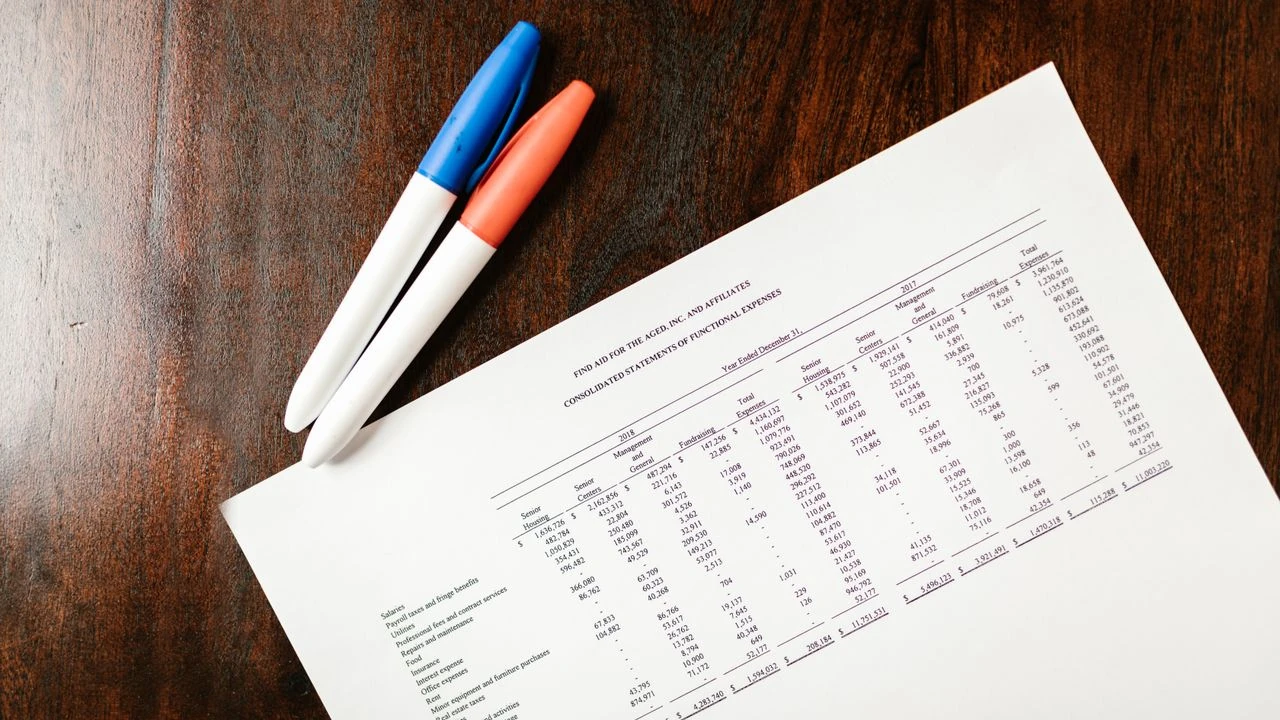
9:03 PM on a Tuesday in March, I was lying on the living room floor with a laptop, a printed statement from Vanguard, and a fresh statement from Fidelity, checking numbers line by line like a pharmacist counting pills. My husband was watching a show in the same room with one earbud out, because he could hear me muttering. Same ticker. Same 4,200.913 shares. Cost basis: different. By eleven thousand, three hundred forty-seven dollars.
That number matters more than it sounds. When you eventually sell, capital gains tax is computed on the difference between sale price and basis. A basis printed $11,347 too high means a future tax bill understated by approximately $2,700 at the 15 percent rate. The IRS will happily tax you on the correct number regardless of what either broker's screen says. The screen is not the truth. Your lot records are.
I had transferred the account in-kind, meaning the shares themselves moved rather than being sold. No taxable event, no problem, everyone says that part correctly. What nobody says: the receiving broker inherits whatev basis the old broker reports, and the method behind that number can quietly differ.
the two statements, side by side
Vanguard's page showed basis under average cost, a single blended number across eleven years of purchases. Fidelity's page showed the same blended figure imported as if it were one giant lot, dated to my first purchase in 2014. Same dollar total, wrong shape. The shape is what let's you choose which shares to sell later.
share class, the wrinkle I never saw coming
Here's where it got odd. Somewhere along the way, my Admiral shares had been part of a conversion from the Investor class, and the transfer paperwork carried both a pre-conversion history and a post-convention lot map that didn't reconcile cleanly. One share class to another at a one-to-one ratio changes nothing economically. It changes everything about how a computer tracks the lots.
phone call one, forty minutes, wrong department
The first representative sympathized beautifully and fixed nothing. He offered to "update the basis manually," which I declined, cuz a manually typed basis with no lot detail is how people end up double-taxed later. I wanted the lot-level history, not a nicer-looking wrong number. He transferred me. I got a survey call. I called back the next day. The whole first call had the specific texture of customer service designed to make you tired enough to accept whatev number appears on screen. I was tired. I was also holding printouts, and paper doesn't get tired.
phone call two, the person who understood
Second call, I asked for the cost basis team by name and said the magic phrase: "specific lot identification with historical purchase records." Different conversation entirely. She pulled the original lot detail, 23 purchase lots spanning 2014 to 2024, and had Fidelity re-import them properly. Forty-eight hours later the screen matched my records, lots intact, the $11,347 ghost gone.
why I keep my own spreadsheet anyway
This is the part people skip and regret. I maintain a simple sheet: date, shares, price, reinvested dividend lots included. Eleven years, four minutes a year to update. Without it, I'd have had no way to prove which broker was right. Brokers lose history during conversions and transfers more frequently than anyone admits. Your statement archive is the backup nobody else will keep for you. Mine took one folder on my drive and eleven tax seasons of April emails. The four minutes a year felt silly for a decade. It felt like the smartest habit of my life by the second phone call.
the ETF version, and why I moved anyway
Once the basis was clean, I sold the fund and snagged the equivalent index ETF inside the same account. Same market exposure, lower expense ratio, and ETFs handle basis logging at the lot level natively. The sale itself was a taxable event, but nearly all my gain was offset cuz I could pick high-basis lots to sell first. Specific identification saved me approximately $1,900 on that exchange alone. One year of holding respect, mind you. Don't turn a long-term gain into a short-term one by accident. The whole cleanup, six weeks of calls, one Saturday of selling, netted my family about $4,600 between saved tax and saved future fees. And the odd part is that none of it required a single clever market call. Just reading two statements on a living room floor.
what I'd tell anyone moving an account
Three rules, absorbed the sweaty way. Download the full lot-level basis history before the transfer leaves the old broker, cuz asking afterward is a slog. Refuse manual basis fixes without documentation. And reconcile the new statement against your own records the week it arrives, not the week you sell.
The laptop went back on the desk that night around 10:30, and the muttering ultimately stopped, which my husband noted out loud with some ceremony. Both statements still live in a folder marked, with the maturity of a twelve-year-old, "proof." Two brokers, one position, an $11,347 disagreement, and a spreadsheet that settled the argument. Keep the spreadsheet. The screens lie by omission all the time.