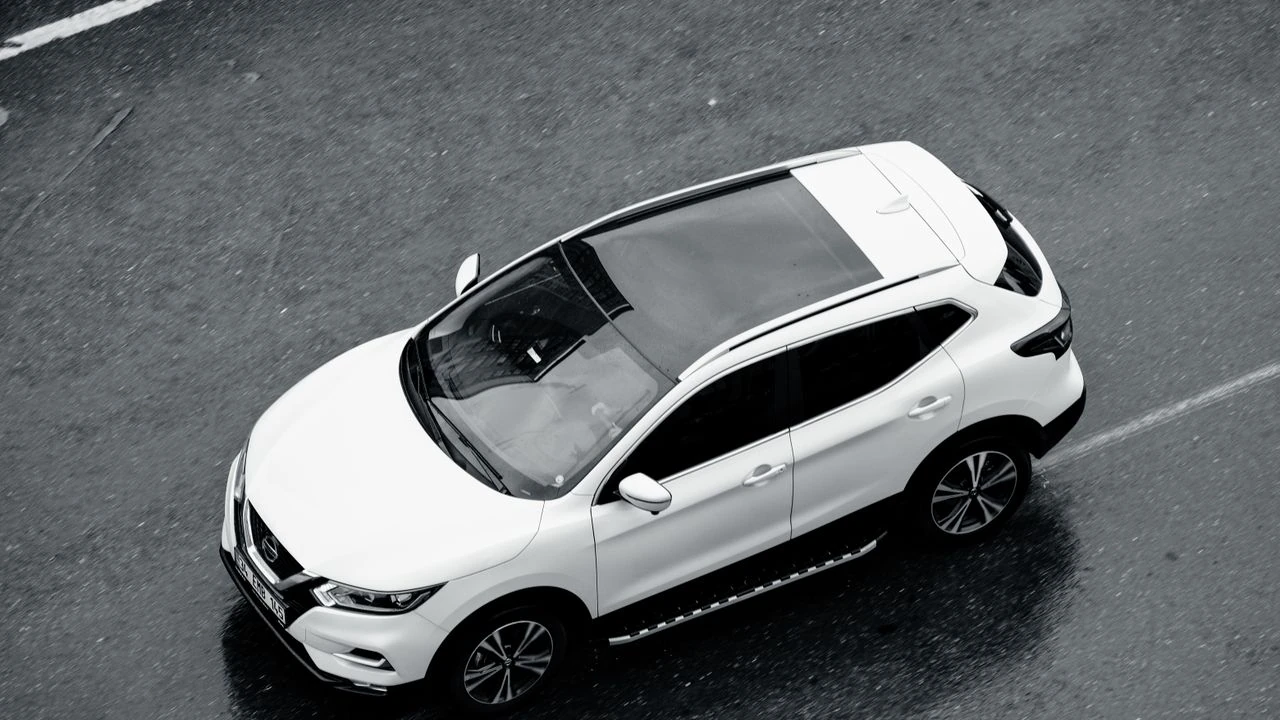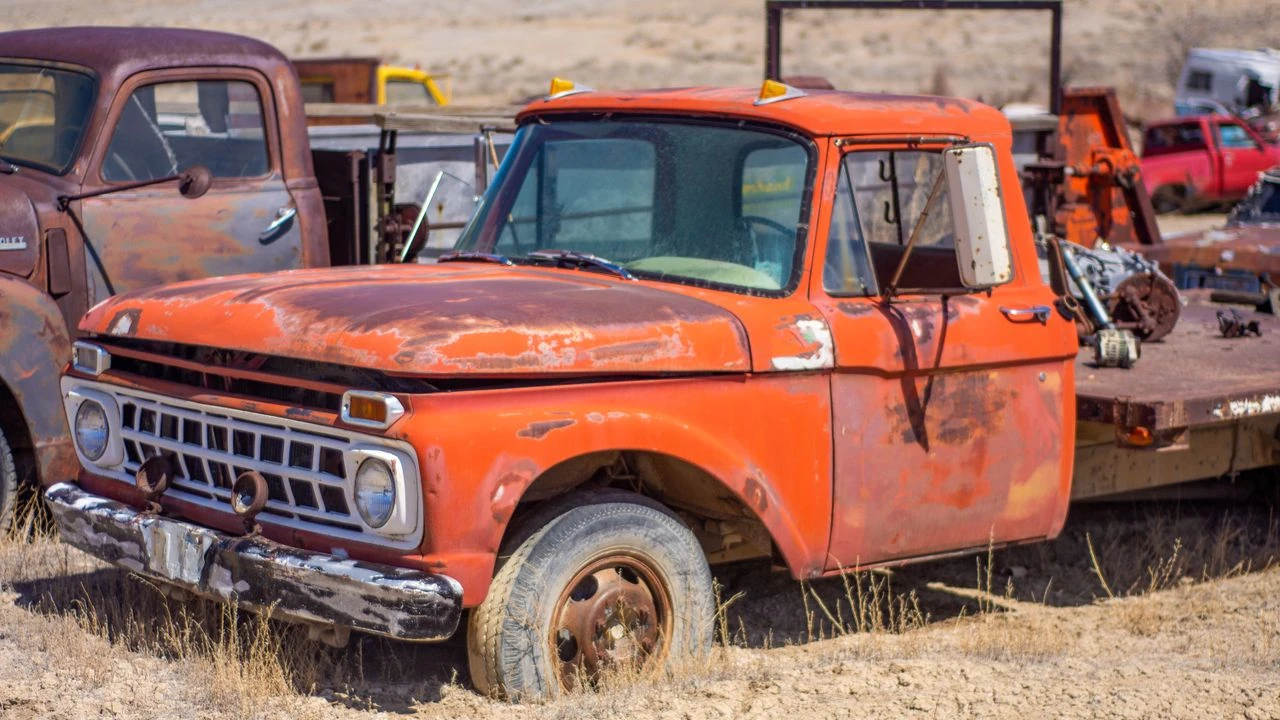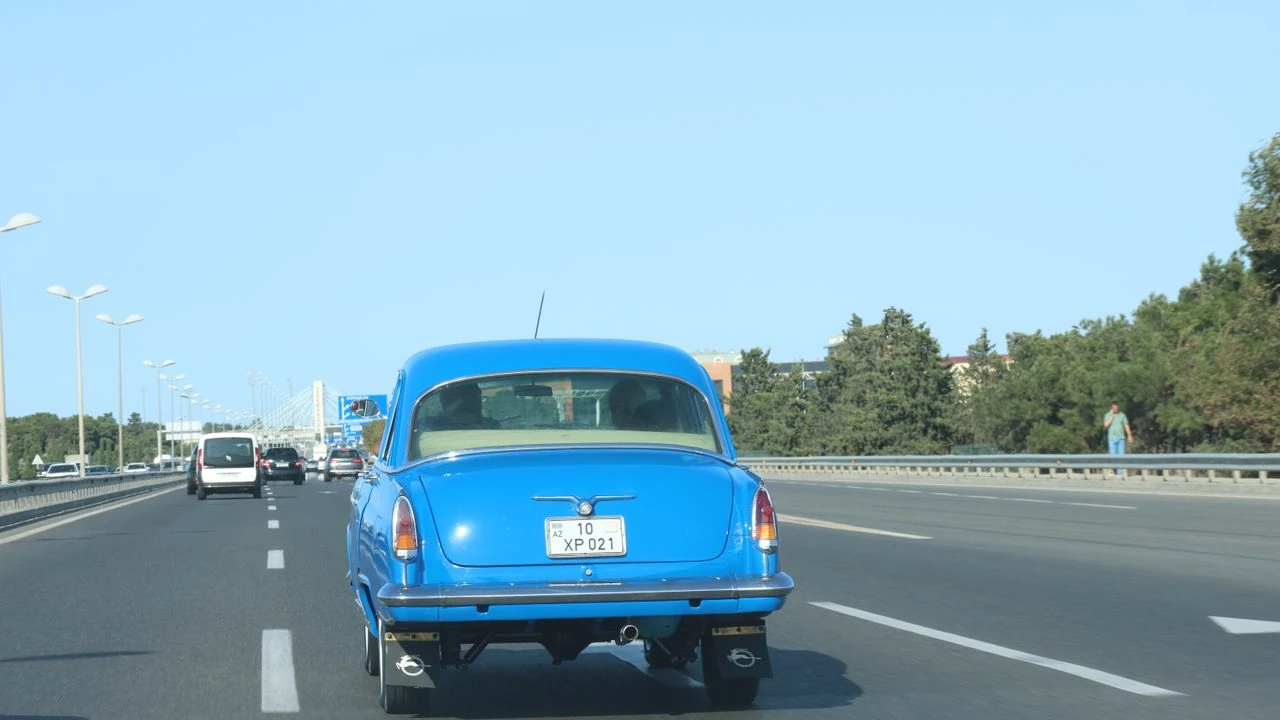
At 5:55 in the morning, in a Denny's parking lot off Route 9, I counted $3,000 in twenties against the roof of a 2011 Corolla while the seller, a man named Dale who smelled like woodsmoke, watched me with the patience of someone who had done this a hundred times. The car had 142,000 miles, one hubcap, and a cassette adapter still in the deck. No loan, no title office financing, no payment app. I handed him the cash, he signed the title, and for the next twelve months I did not owe a single dollar on a car.
the spreadsheet that started the whole thing
The backstory is not tragic, just expensive. Between a financed Subaru and a credit card that funded a move, I was carrying $11,200 of debt with a 661 credit score, and $386 of it left every month in payments and interest. My plan was ugly and simple: sell the Subaru, clear the card, buy the cheapest reliable thing that could get me to work, and freeze all new borrowing for a year. Not cuz debt is evil. Cuz at 661, every dollar I borrowed was being priced like I was a stranger who might vanish.
month one: the $412 surprise
The Corolla's first month cost $412 beyond the purchase price: $180 in taxes and registration, $128 for a battery, $61 for an oil change and two wiper blades, and a tire patch at $43. That month I absorbed the dirty secret of cheap cars: they are not cheap, they are lumpy. A financed car gives you the same bill every month, which feels safe even when the total is worse. The beater gives you nothing for months, then $500 on a Tuesday. The only defense is a repair fund, so I moved $200 from every paycheck into a high-yield savings account and called it the car tax.
february, and the heater core
February nearly ended the experiment. The heater core gave out during a cold snap, passenger-side floor turned into a swamp, defroster useless, and the quote was $580 at the only shop that could do it that week. I had $840 in the car fund. I drove three weeks with a towel on the floor and the windows cracked to stop fogging, wiping the windshield at red lights with my sleeve, at 7:15 each morning like a man defrosting a freezer with his face. The repair happened in March, paid cash, and the fund refilled by May. I am not going to pretend I enjoyed it. I am going to say it was $580, once, instead of a $340 payment, sixty times.
what the credit score did while frozen
Here is the part nobody believes. With zero new borrowing, my score went from 661 to 718 in twelve months. No new applications, utilization on the one remaining card held under 9 percent, and every account aging like wine in a cellar. FICO does not need you to carry debt; it needs you to not miss payments and to not look desperate. A year of boring sent me up 57 points, which matters more than any single purchase: that score later qualified me for a 6.1 percent rate on a refinance quote I never even took.
the money math, without the romance
The ledger, honestly kept: Corolla purchase $3,000, first-month setup $412, heater core $580, oil changes and tires across the year about $390, insurance at liability-only $41 a month or $492, gas averaging $115 a month. Total cost of a year of driving: about $5,254. My previous Subaru's year, payment plus full-coverage insurance at $139 a month plus the same gas and maintenance, was running $7,900+. The difference, approximately $2,600, plus the $6,840 that accumulated in savings once the old debt payments died, is the whole argument. The debt consolidation I once weighed at 14 percent would have cost me $1,900 in interest over its life. Paying it off at the source cost me nothing.
the two times temptation knocked
Twice the plan nearly broke. Once at a dealership "just for test drives," where a salesman named Brady had me 15 minutes from financing a $24,000 CPO wagon before I walked out, sweating, because the payment looked so reasonable per month. Once when my refrigerator died in July and a store card offered "18 months same as cash." I paid for it with the savings instead, $740, and felt the whole point of the year click into place: the fund exists so that no appliance gets to open a new account in my name.
what I would tell month-zero me
Not everyone should do this. If your car is your work tool, or your local market has no $3,000 cars with legs under em, the math changes. But if you are sitting at a sub-680 score paying 11 percent on a depreciating object, the beater year is not deprivation, it is arbitrage. You are trading comfort for a balance sheet.
Dale's Corolla ultimately died this spring at 178,000 miles, timing chain, not worth fixing. I sold it to a scrap buyer for $450 and put the money in the fund, which now sits at $4,100 awaiting the next $3,000 Dale. The cassette adapter is in my glovebox in the new car. Some equipment you keep, because it was there at 5:55 in the morning when the whole experiment began with a stack of twenties and a man who smelled like woodsmoke.